
Landscaping
LANDSCAPING IN Stevensville, MT
USDA zone 5b winters take the Bitterroot Valley down to minus 15 degrees, and the valley floor gets only about 12 inches of precipitation a year. Plants that cannot handle both do not last here. 406Lawnzz builds landscape beds around Stevensville, MT, that can: shaping and edging beds, placing cold-hardy shrubs and perennials, adjusting yard layout, pulling unwanted plants, and installing mulch or rock. Every project starts with a walk-through and a written bid, and the work is licensed and insured.
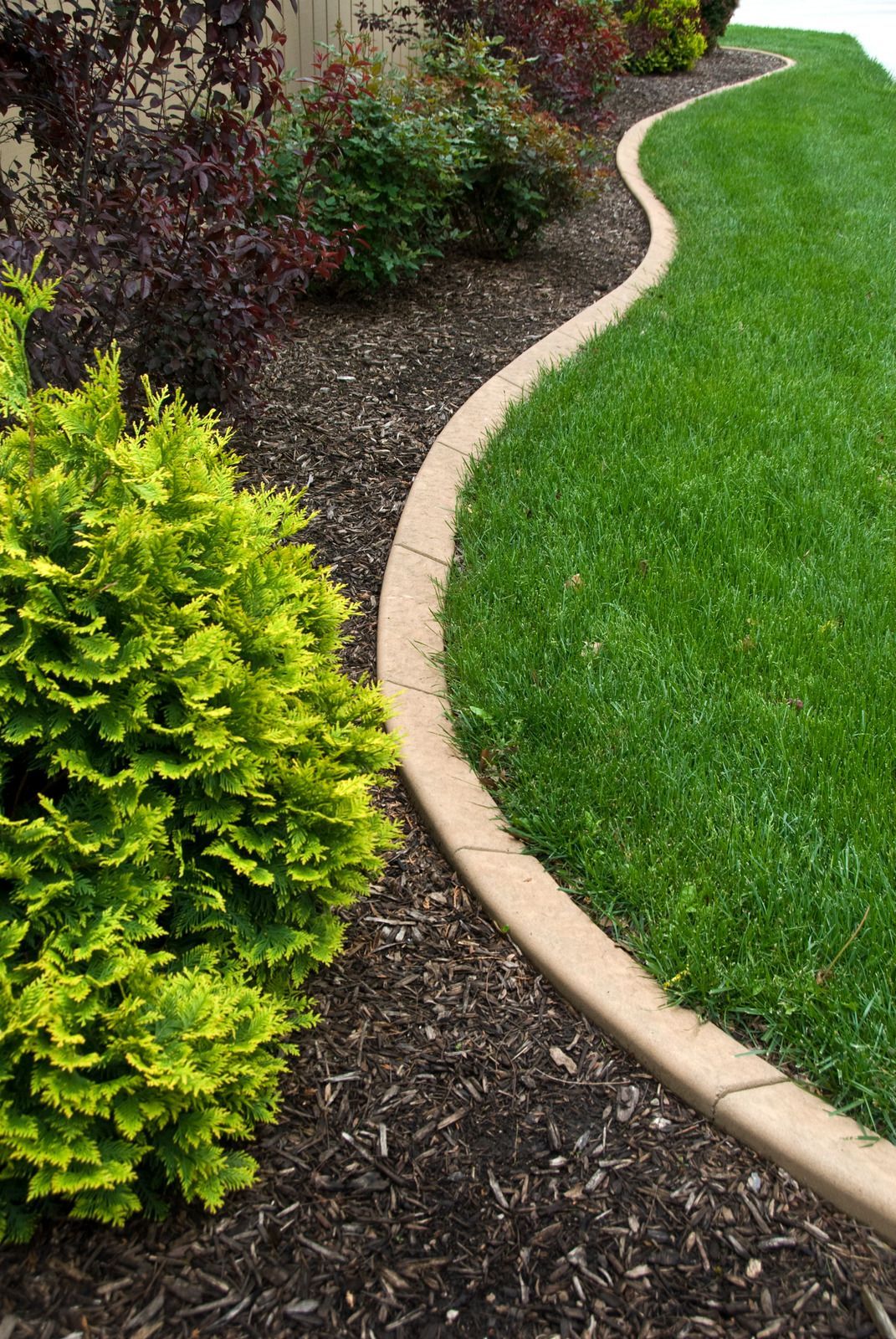
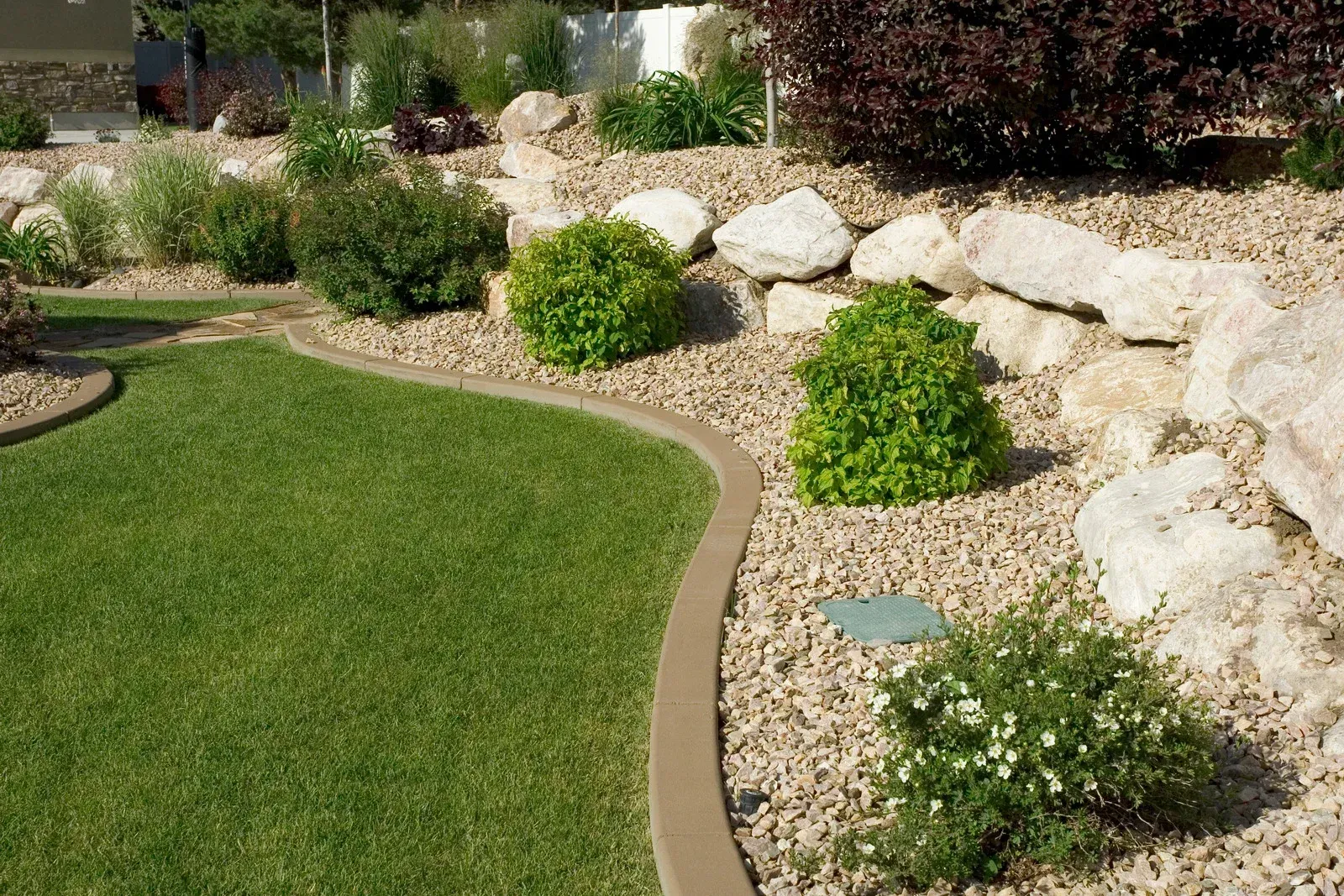
A BED THAT LOOKS GOOD IN JUNE IS EASY. ONE THAT LOOKS GOOD IN YEAR 3 IS THE JOB.
Any garden center display looks finished on planting day. The question is what it looks like after a winter at minus 15 degrees, a July at 87 degrees, and a bone-dry August. We choose plants for that test, potentilla, yarrow, native grasses, and shrubs that shrug off cold and drought, and space each one for its mature size, not its pot size.
That means fewer replacements, less watering once roots establish, and beds that need a spring cleanup and a fresh edge each year rather than a rebuild every few seasons and another trip to the nursery.
- Climate-adapted and native plant choices
- Beds shaped for the space you have
- Mulch or rock, your call
- Most jobs finished in a day
LANDSCAPING
STEVENSVILLE YARDS OFTEN NEED SHAPING MORE THAN THEY NEED SPENDING.
Plenty of properties around Stevensville have good bones and unfinished edges: a bed that trails off into lawn, a foundation line with two survivors and a gap, a corner nobody has planted since the house went up. Those are shaping problems, not construction problems. A firm bed edge, a few well-placed shrubs, a layer of mulch, and the removal of whatever has quietly been struggling will change how the whole yard reads from the street.
THE VALLEY FLOOR IS HIGH DESERT, AND THE PLANT LIST HAS TO ADMIT IT.
Stevensville sits near 3,400 feet with 270+ sunny days, roughly 12 inches of moisture, and a growing season of 105 to 120 days between frosts near May 30 and September 13. Lush, thirsty landscaping fights that climate every week and loses most Augusts. Beds built with drought-tolerant natives, deep mulch to hold what rain does fall, and shrubs rated for zone 5b work with the valley instead of against it.
EVERY BED WE SHAPE HAS TO SURVIVE A ZONE 5B WINTER.
Across 8 years of landscaping in the Bitterroot Valley, we have watched which plantings come through February and which get replaced every spring. The survivors are almost always natives and climate-adapted shrubs placed with room to grow, in beds that drain, under mulch that holds moisture through August. We build to that pattern on every property from Florence to Hamilton, and the beds age well instead of thinning out. Want beds that come through February?
WHY CHOOSE US FOR LANDSCAPING.
PLANNED BEFORE PLANTED
Every project opens with a walk-through, not a shovel. We look at sun, slope, drainage, existing plants, and how you use the yard, then lay out beds and plants before anything is dug, so the result fits the property.
PLANTS THAT BELONG HERE
Potentilla, yarrow, native grasses, serviceberry, and other zone 5b performers go in because each handles the cold, the dry summers, and the day-to-night swings. Fewer replacements over time means the bed costs less to keep looking right.
BUILT FOR LESS UPKEEP
Low-maintenance is a design decision, not a slogan. Plants are spaced for mature size, mulch or rock keeps weeds down and moisture in, and edges are cut to hold a line, so annual work is a cleanup and touch-up.
RIGHT-SIZED JOBS
Smaller landscaping projects are our bread and butter. Reshaping a front bed, replacing a tired foundation planting, or fixing an awkward corner usually takes a day or less, and you get a finished result without a month of disruption.
NOTHING LEFT BEHIND
Removed plants, root balls, sod strips, and trimmings are loaded and hauled away the same day. The lawn around the bed is protected with tarps while we work, and the edges are blown off before we leave.
A BID YOU CAN HOLD US TO
The written bid lists the beds, the plants by name and quantity, the mulch or rock, the removals, and the visit window. Questions get a reply quickly, often within hours, and the price on paper is the price.
WHAT WE SHAPE
OUR LANDSCAPING WORK
Our landscaping work is plant-based bed work: the shaping, planting, edging, and mulching that give a yard structure. Retaining walls, patios, and irrigation systems are outside our scope, and we will say so up front.
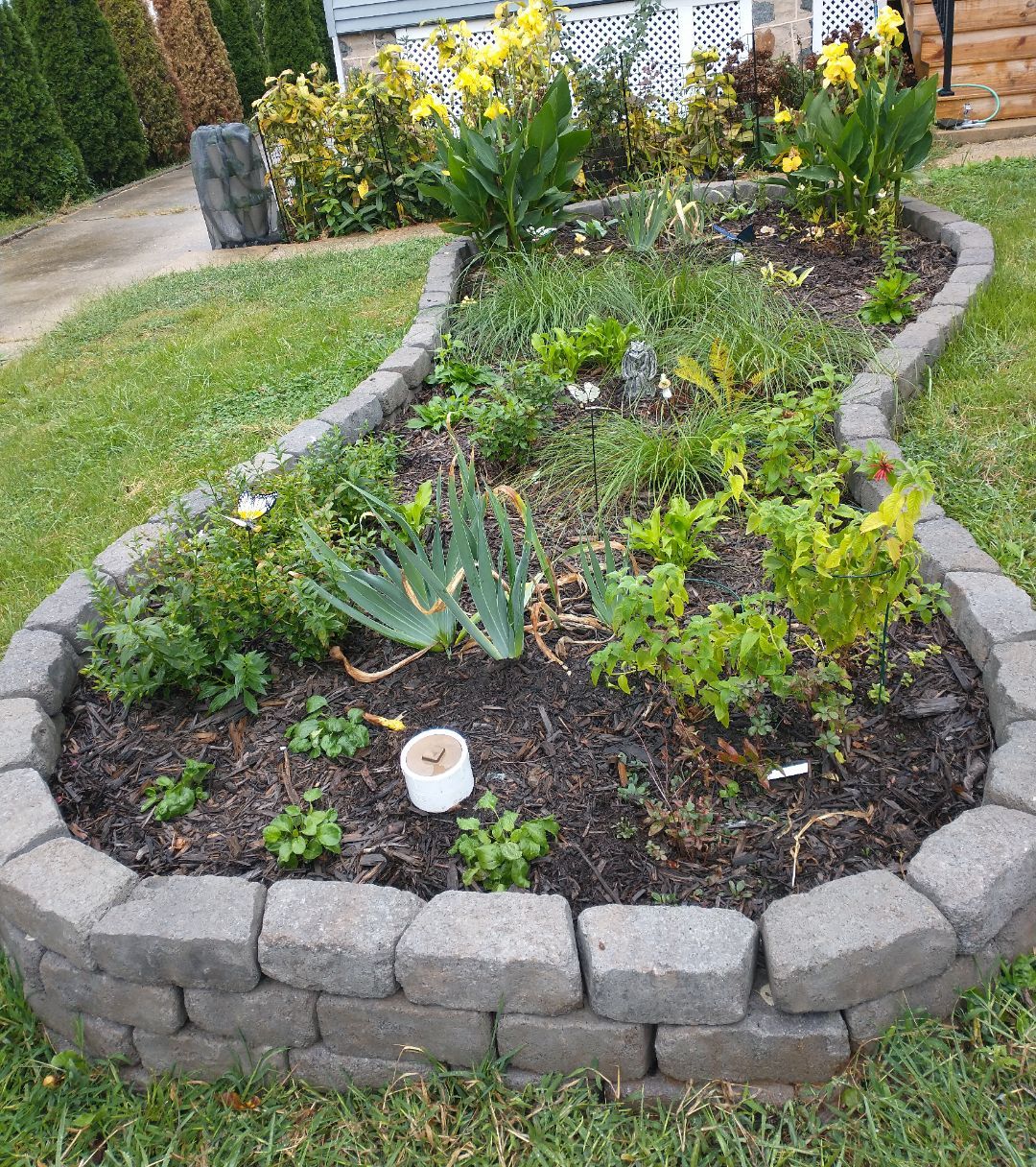
BED SHAPING
Landscape Bed Shaping
New beds get laid out with paint, cut in with a flat spade, and dug to a workable depth. Existing beds get reshaped to fix awkward curves, widen cramped strips, or pull the edge back from a crowded walk.
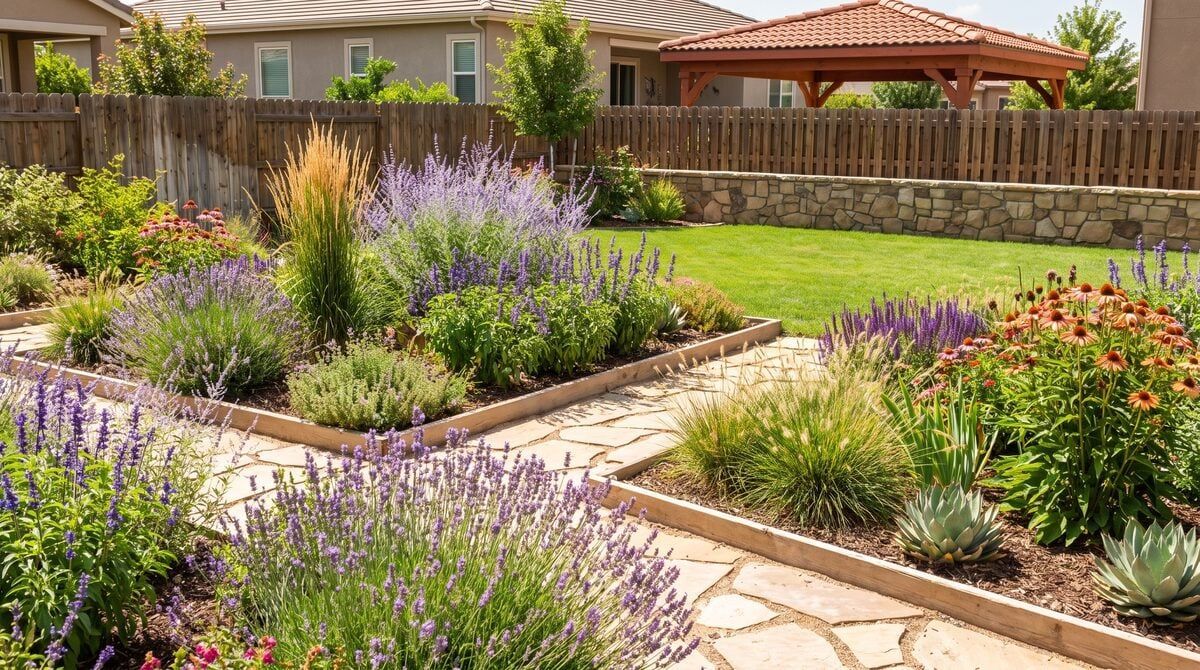
PLACEMENT
Plant Placement
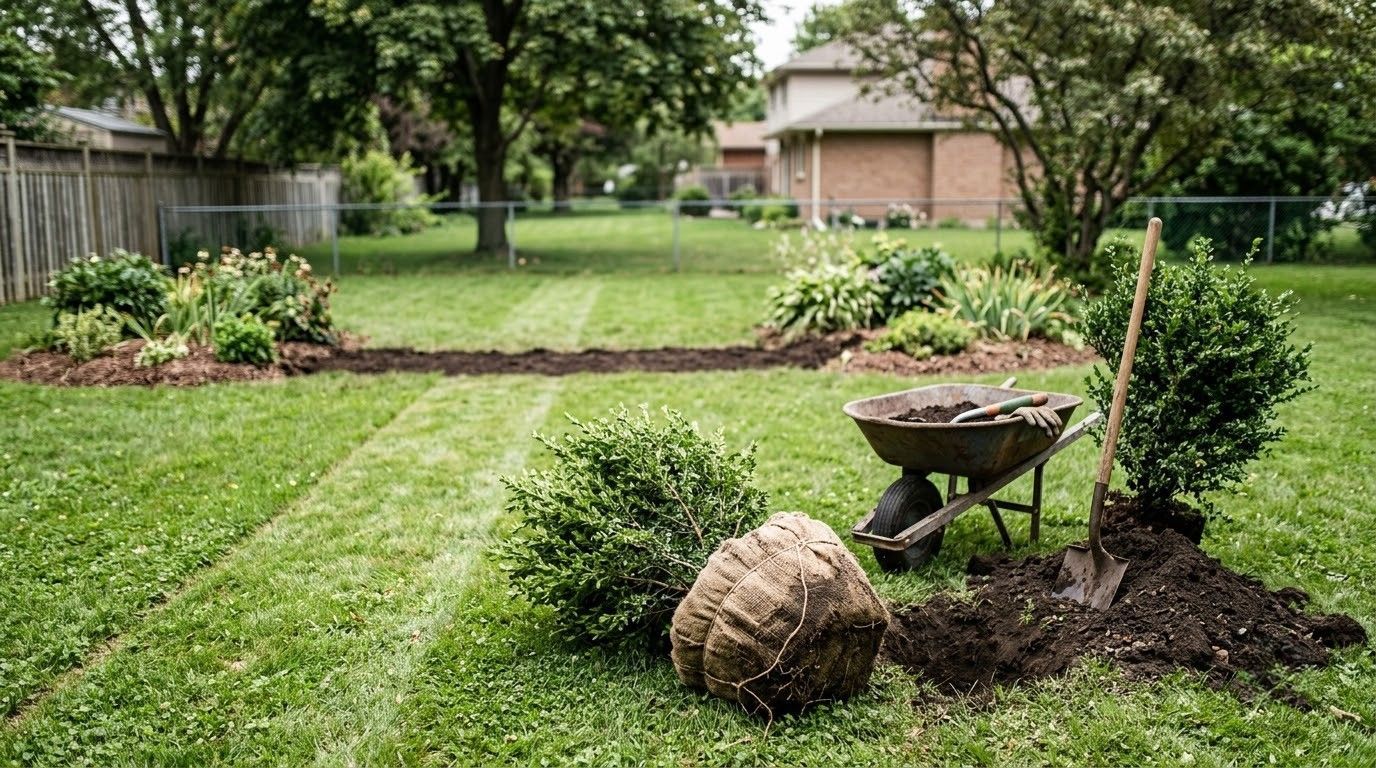
Shrubs and perennials are set where sun, drainage, and mature size say the plant will thrive, then planted at the correct depth with the root flare visible. Spacing accounts for the size reached in 5 years, not this season.
LAYOUT
Yard Layout Adjustments
Sometimes the fix is moving things: relocating a shrub that outgrew its spot, opening a bed to connect two others, or shifting a planting line so the mower has a straight run. Small layout changes make a yard feel intentional.
REMOVAL
Unwanted Plant Removal
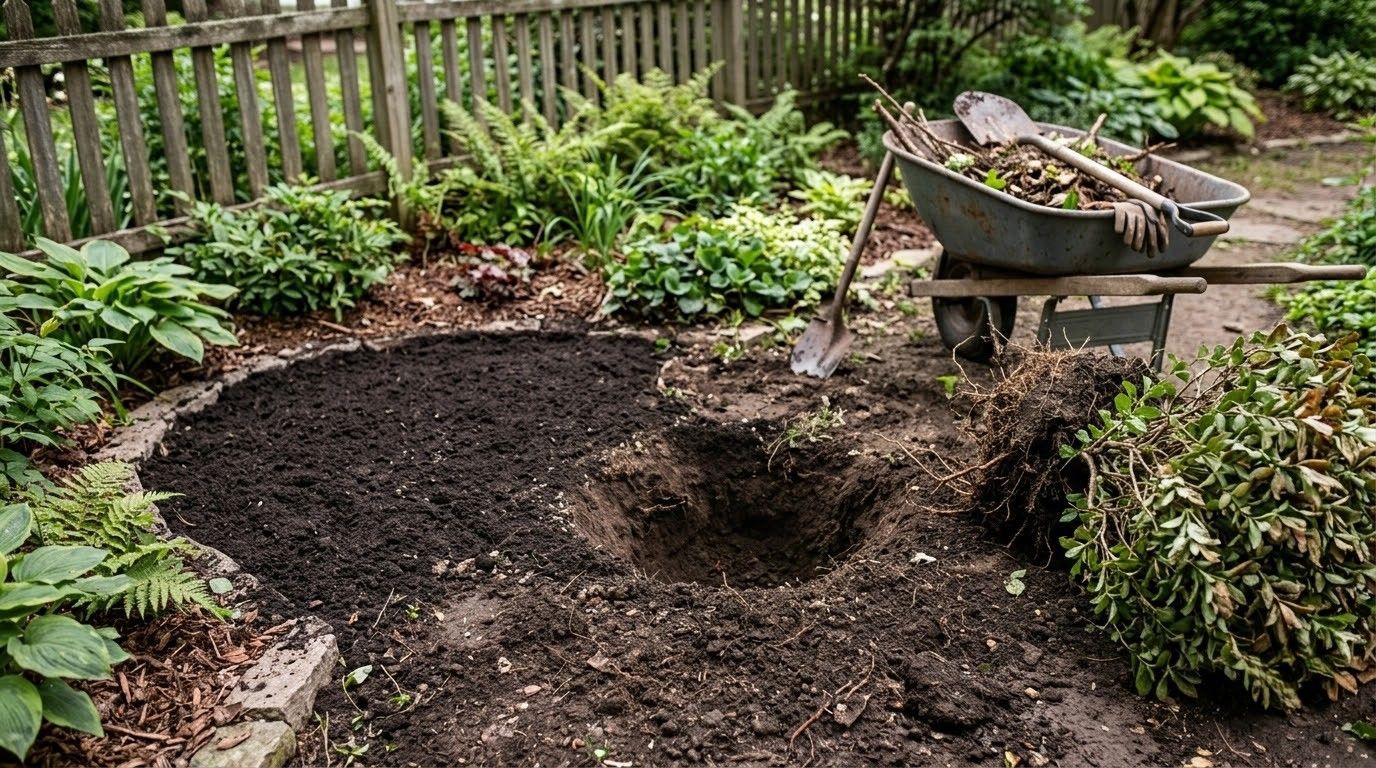
Struggling, overgrown, or simply unwanted shrubs and perennials come out with the roots, so nothing resprouts in the bed. The hole gets filled and leveled, and the material is hauled away rather than piled at the property line.
MULCH AND ROCK
Mulch and Rock Installation
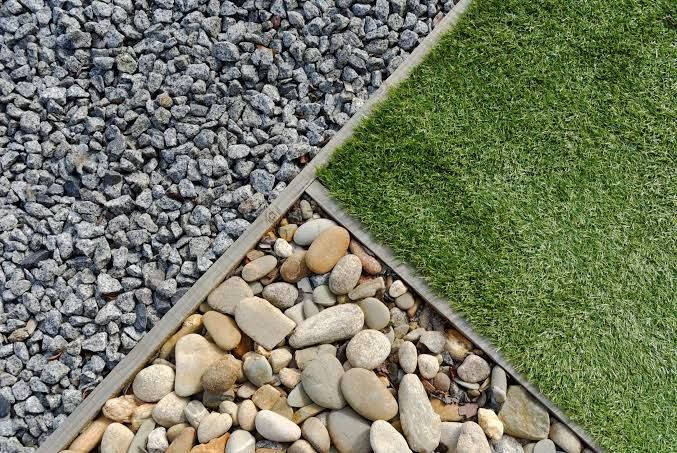
Beds get a 2- to 3-inch layer of shredded bark mulch or a base of landscape fabric topped with decorative rock, depending on the look and the upkeep you want. Both suppress weeds and slow evaporation through the dry months.
EDGING
Bed Edging
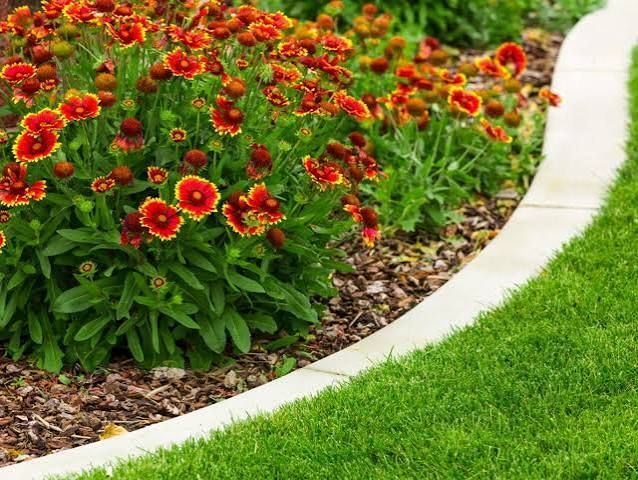
A cut edge is what separates a landscape bed from a patch of dirt. We dig a defined trench edge along lawn lines and walks so mulch stays put, grass stays out, and the line holds all mowing season.
THE WORD ON OUR WORK
WHAT OUR CLIENTS SAY.
Homeowners and HOA boards across the Bitterroot Valley leave notes on our Google Business Profile about how the walk-through went, whether the bid matched the finished bed, and how the plants held up the following year. Read those accounts before deciding who shapes your yard.
Common Questions
FREQUENTLY ASKED QUESTIONS.
Most landscaping questions we hear are about plant choice, timing, and upkeep in this climate. The answers below reflect what holds up in Western Montana beds, not what looks good in a catalog.
What plants grow best in Western Montana?
Natives and climate-adapted plants win here: potentilla, yarrow, blanket flower, penstemon, blue grama and other native grasses, serviceberry, chokecherry, ninebark, and hardy lilac. All of these tolerate zone 5b cold, dry summers, and lean soil, and most need little water once established.
What is low-maintenance landscaping?
Low-maintenance landscaping is a design approach, not a plant list. It pairs drought-tolerant and native plants spaced for mature size with mulch or rock to suppress weeds and a firm edge, so yearly upkeep is a cleanup, a fresh edge, and light pruning.
Is rock or mulch better for landscape beds?
Rock lasts for decades, holds a crisp look, and suits xeric plantings, but it heats the soil and is hard to plant into. Shredded bark mulch feeds the soil and keeps roots cooler, though it needs topping up every 2 to 3 seasons.
When is the best time to plant shrubs in Montana?
Spring, once the ground works in April through early June, gives roots a full season to establish before winter. Early fall, September into early October, also works for hardy shrubs if the plant gets several weeks in the ground before hard freezes.
How do you fix a yard that looks unfinished?
Start with edges and removals before buying plants. 406 Lawnzz approaches an unfinished Stevensville, MT, yard by cutting firm bed lines, pulling struggling plants, grouping the survivors, adding mulch or rock, and placing a few shrubs where the eye stops.
Do native plants need watering?
Yes, during the first 1 to 2 seasons while roots spread. Natives earn the drought-tolerant label after establishing, so plan on deep, infrequent watering that first summer. Once settled, most need little beyond what the valley provides, apart from long August dry spells.
How long does a landscaping project take?
Reshaping a bed, replacing a foundation planting, or installing mulch and rock on a typical property takes a day or less. Larger layout changes with multiple beds, removals, and plantings can run 2 to 3 days. The bid states the expected duration.
What makes 406 Lawnzz the right choice for landscaping in Stevensville, MT?
Beds designed on a walk-through, plants chosen for zone 5b and 12 inches of rain, and a written bid that names every shrub before a spade goes in. 406 Lawnzz has been building beds like that around Stevensville, MT, for 8 years.
HOW WE WORK
FROM WALK-THROUGH TO FINISHED BEDS, HERE IS HOW.
STEP 01
Walk the yard together
We meet you on the property and walk every bed and problem corner, noting sun exposure, drainage, existing plants worth keeping, and how you use the space. You tell us what bothers you about the yard, and we listen.
STEP 02
Sketch the layout and plant list
Back at the truck, the walk-through turns into a simple layout: which beds get reshaped, what comes out, where new shrubs and perennials go, and whether each bed gets mulch or rock. Plants are picked for zone 5b and low water.
STEP 03
Deliver a written bid
The plan comes to you in writing with beds, plants by name and quantity, materials, removals, the visit window, and the expected duration. Nothing is ordered or dug until you have read it and signed off.
STEP 04
Cut the beds and clear the ground
On the work day, we lay out the bed lines, cut the edges, dig out unwanted plants with the roots, and level the soil in each bed. Tarps protect the surrounding lawn from soil and foot traffic throughout.
STEP 05
Set the plants and top the beds
Shrubs and perennials go in at the right depth and spacing, watered in well, then the bed gets its mulch or fabric and rock. Edges are finished last so the line is crisp when the tools go back in the truck.
STEP 06
Hand it off with care notes
Before leaving, we walk the finished beds with you, explain first-season watering, and hand over simple care notes, since plant survival after handoff depends on that watering. The lawn and walks are blown off and the debris is gone.
GET YOUR WRITTEN BID
GET THE BEDS, THE PLANTS, AND THE PRICE, IN WRITING.
A yard that reads as finished from the street usually needs a walk-through and a day of bed work, not a construction budget. Tell 406Lawnzz about the beds you want shaped and the plants you want gone or added through our contact page, and we will walk your Stevensville, MT, property. Beds, plants by name, mulch or rock, and the visit window land in a written bid before a spade goes in.
WHAT YOUR BID COVERS:
- Each bed to be shaped or edged
- Plants listed by name and quantity
- Mulch or rock for every bed
- Removals with roots and haul-away
- Expected duration and visit window
- Licensed and insured work throughout