
Pruning
PRUNING IN Stevensville, MT
MSU Extension tells Montana gardeners to prune most shrubs in the dormant season, late winter to early spring, and to never take more than one-third of a plant in one pass. Lilacs are the exception and get cut right after blooming. 406Lawnzz follows that calendar on shrubs and small ornamental trees across Stevensville, MT, removing dead, damaged, and crossing branches with hand pruners and loppers, hauling the clippings off-site, and putting the scope in a written bid before we start.
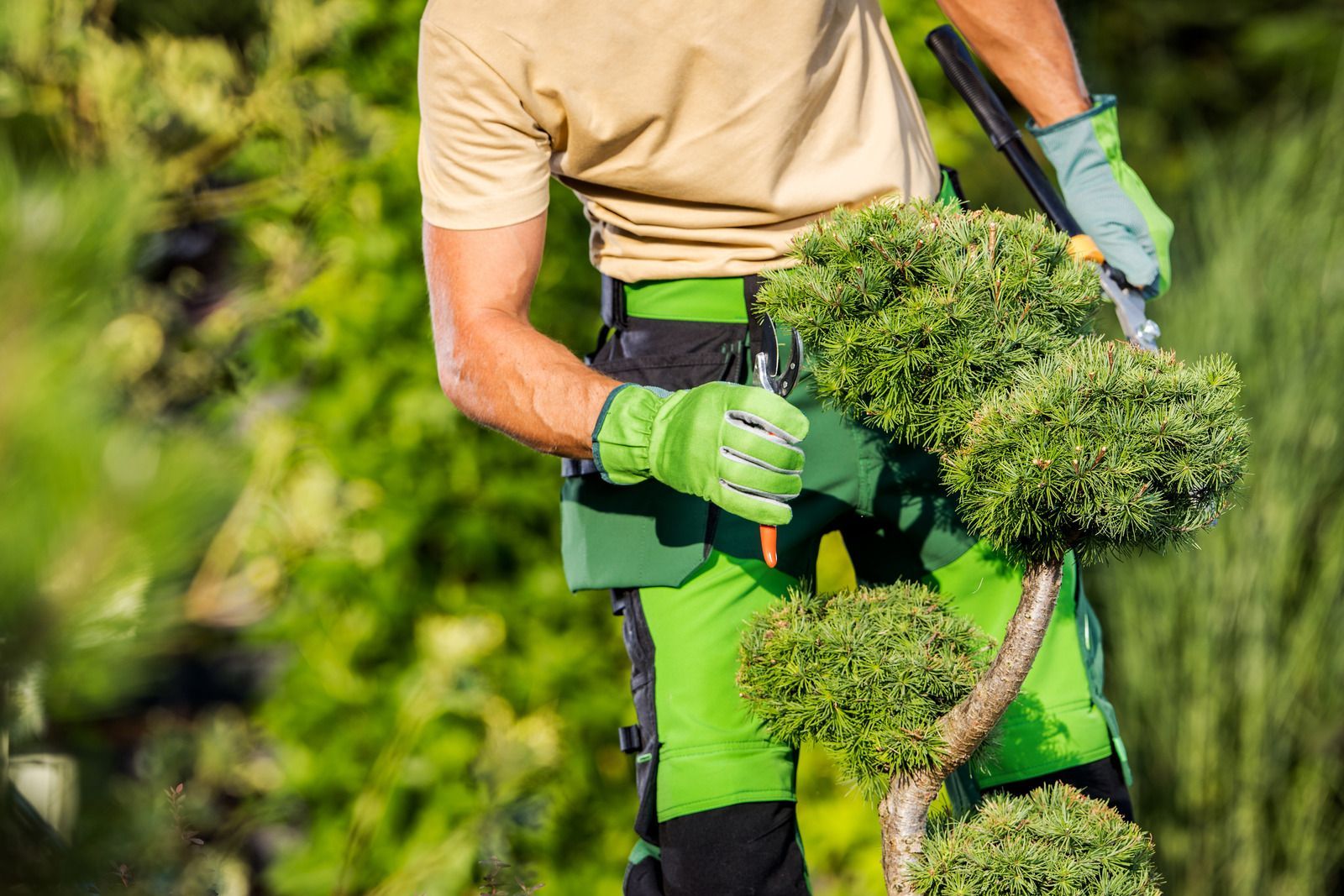
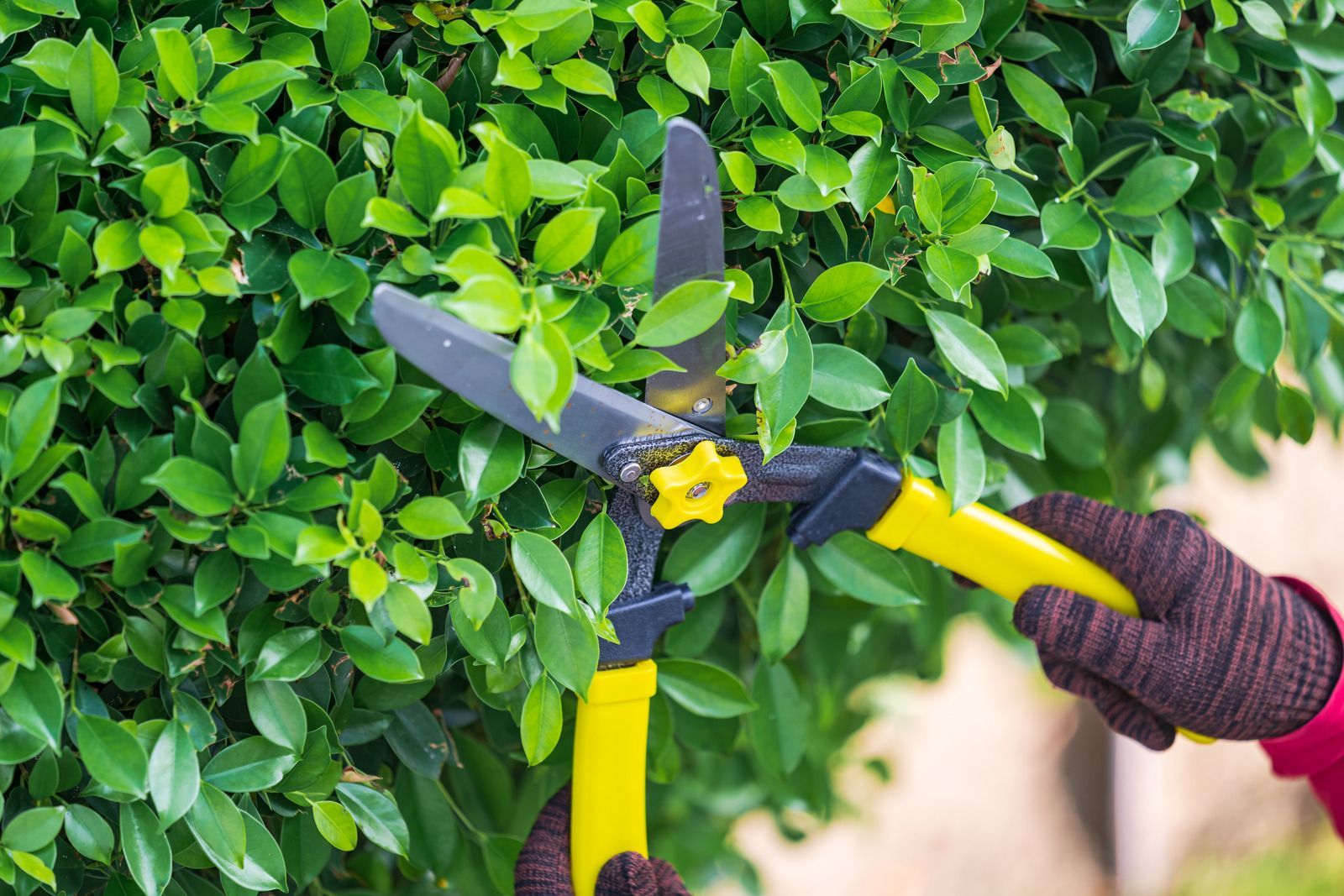
KNOWING WHICH BRANCH, AND WHICH MONTH, IS THE HARD PART.
Anybody can close a pair of loppers. The difference between a shrub that fills in thick next summer and one that sulks for 2 seasons is where the blade lands and when. A cut a quarter inch above an outward-facing bud sends growth away from the center. A cut in late September pushes tender shoots that a zone 5b winter kills.
We work plant by plant, reading the structure before touching anything, taking dead and crossing wood first, and stopping well short of the one-third limit so the plant recovers instead of stalling for a season.
- Hand pruners and loppers, never hedge shears
- Cuts placed just above a bud
- Never more than one-third at once
- Every clipping hauled off-site
PRUNING
OVERGROWN SHRUBS ON STEVENSVILLE PROPERTIES CAN BE BROUGHT BACK WITHOUT BUTCHERING THEM.
Most of the shrubs around Stevensville were planted decades ago and left alone. Lilacs have grown into thickets that flower only at the top, junipers have swallowed foundation lines, and spirea and dogwood have gone leggy and hollow. Shearing that back flat makes it worse. Selective cuts at the base of the oldest stems open the plant up, restore bloom lower down, and get the shape back over 2 seasons without leaving scarred stumps.
SHORT SEASONS AND HARD FREEZES CHANGE THE PRUNING CALENDAR HERE.
The Bitterroot Valley gives plants 105 to 120 frost-free days between a last spring frost near May 30 and a first fall frost near September 13. Zone 5b winters drop to minus 15 degrees, and the valley floor sees only 12 inches of precipitation a year. Every cut respects that math. Dormant-season work goes in before bud break, lilacs get pruned as the flowers fade, and nothing gets cut after midsummer.
WE HAVE LEARNED WHICH CUTS A MONTANA WINTER PUNISHES.
After 8 years of pruning shrubs and small trees from Hamilton to Lolo, we know which mistakes show up the following spring. A shrub headed back hard in October emerges with dieback on every stub. A crabapple topped to fit under a window throws a broom of water sprouts. We have seen both enough times to cut differently, and our plants come through the cold with fewer losses. Want the same care on your property?
WHY CHOOSE US FOR PRUNING.
RIGHT PLANT, RIGHT MONTH
Timing decides whether a cut helps or hurts. Spring bloomers get pruned after flowering, summer bloomers get pruned while dormant, and deadwood comes out whenever we find it. Your plants get the schedule each species needs, not one blanket date.
CUTS THAT HEAL
Each cut lands just above a bud or lateral branch so the wound closes quickly. No stubs left to rot, no flush cuts into the collar, no wound paint. A plant closes its wound when the cut is placed correctly.
NOTHING STRIPPED BARE
One-third is the ceiling, and most plants get less. Removing too much at once forces weak, whippy regrowth and can kill an older shrub outright. Badly overgrown plants get renewed over 2 seasons so the roots keep pace.
HAND TOOLS ONLY
Pruners handle wood up to 1 inch, loppers handle up to 1.5 inches, and a saw covers the rest. Powered hedge shears never touch a shrub we are shaping, because sheared surfaces heal poorly and grow back dense and hollow.
CLIPPINGS GONE THE SAME DAY
Everything we cut leaves with us. Brush gets loaded and hauled off-site, so there is no pile by the fence waiting for a burn day and no permit to activate. The bed is raked out before the truck pulls away.
SCOPE IN WRITING
Before any blade opens, you receive a written bid naming each plant, the work planned for it, and the visit window. Questions get answered quickly, often within hours, so nothing about the job comes as a surprise.
WHAT WE CUT
OUR PRUNING WORK
Pruning ranges from thinning a single lilac to reshaping every foundation shrub on a property. Here is the work we take on, always with hand tools and always sized to what the plant can handle.
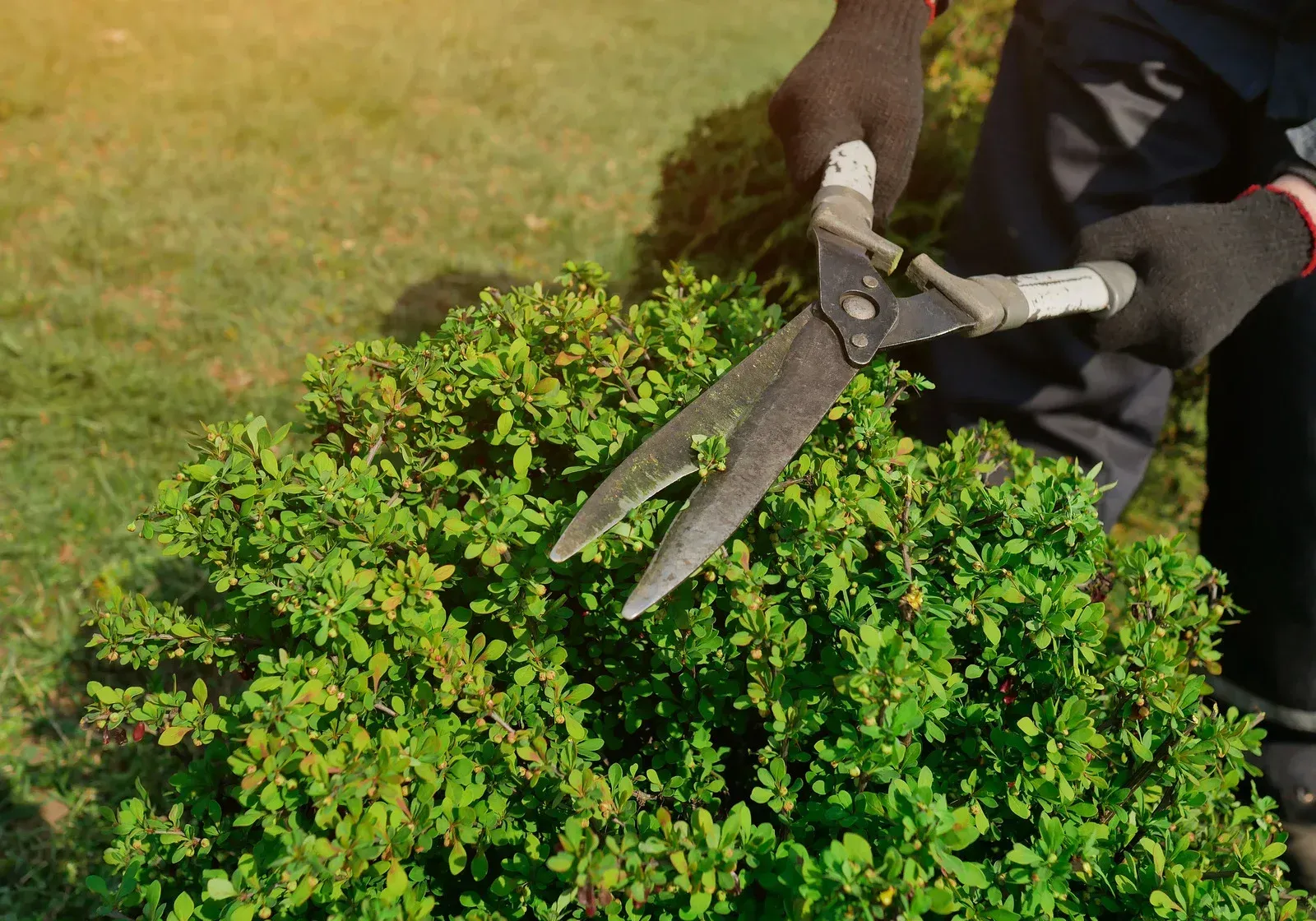
SHRUBS
Shrub Pruning
Lilac, spirea, dogwood, ninebark, potentilla, and juniper each respond to a different approach. We remove the oldest stems at the base, open the center to light and air, and shape the outside so the plant looks natural rather than sheared.
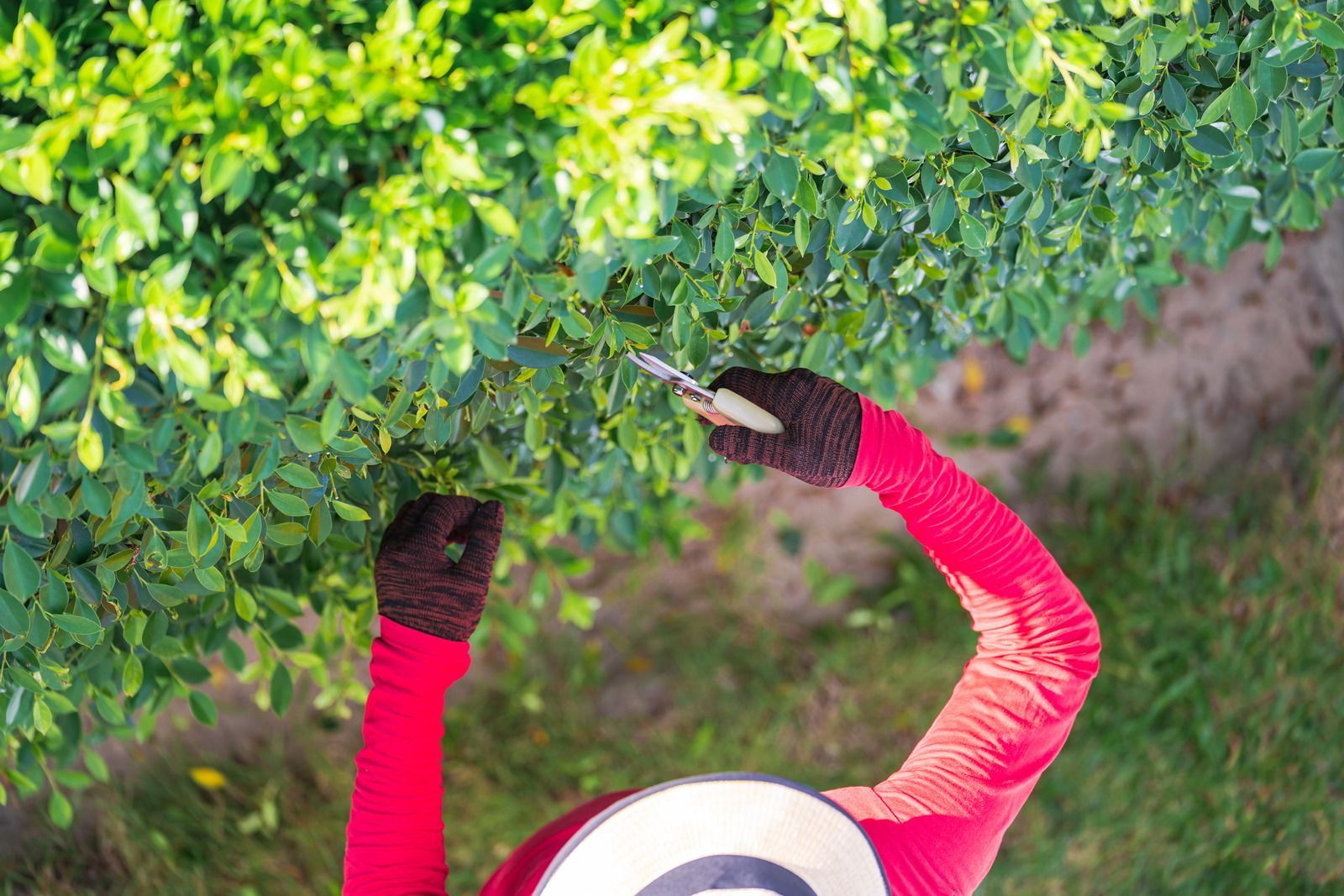
SMALL TREES
Small Ornamental Tree Pruning
Crabapples, serviceberries, Amur maples, and similar small trees get crossing limbs, water sprouts, and low suckers removed with cuts outside the branch collar. Anything over 4 inches across or needing a bucket truck is arborist work, and we say so.
DEADWOOD
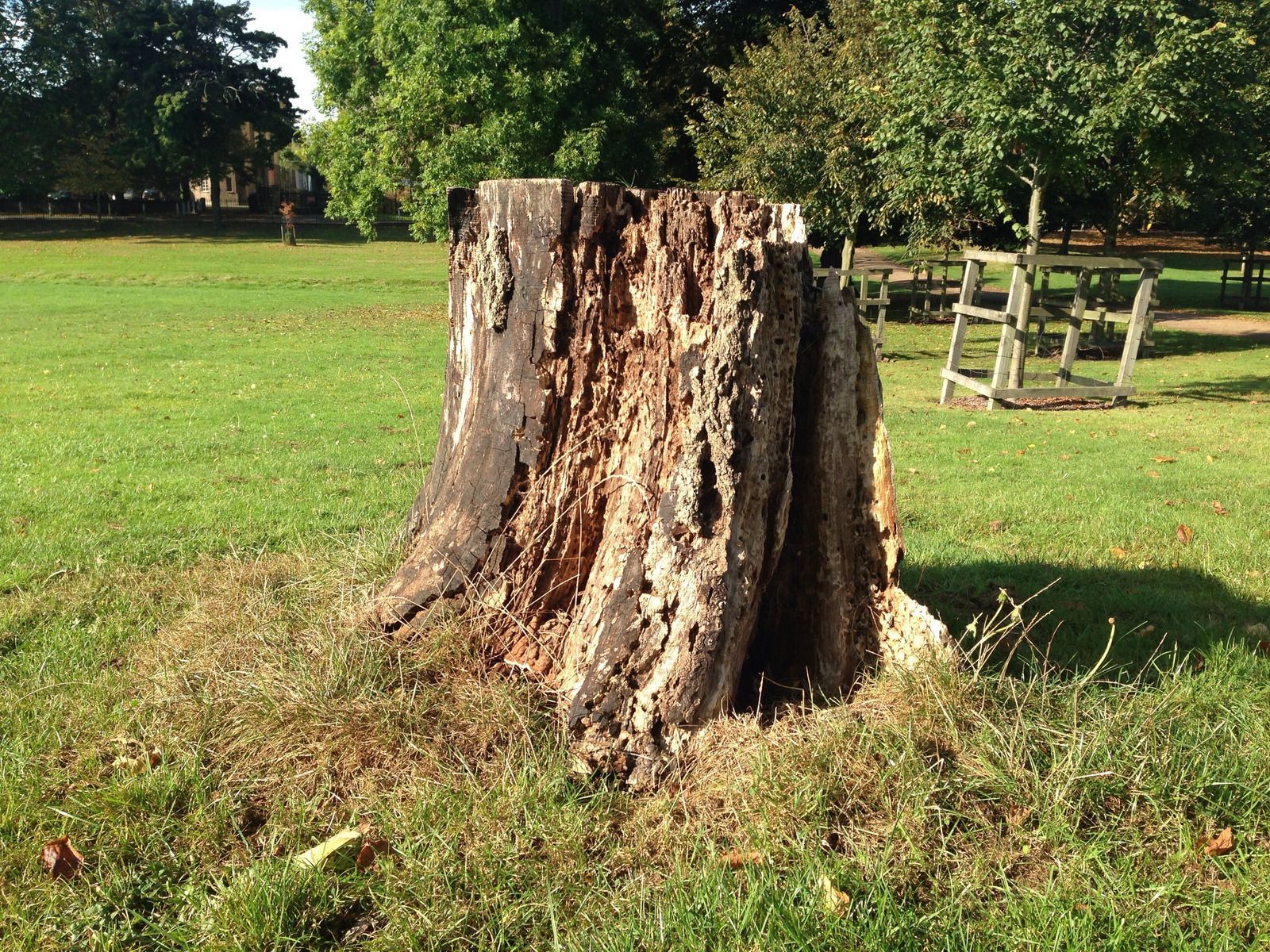
Dead and Damaged Wood Removal
Winter breakage, snow-load splits, and diseased stems come out in any season, because dead wood only invites rot and insects. Cuts go back to live tissue or a healthy lateral, and diseased material is bagged separately so nothing spreads.
THINNING
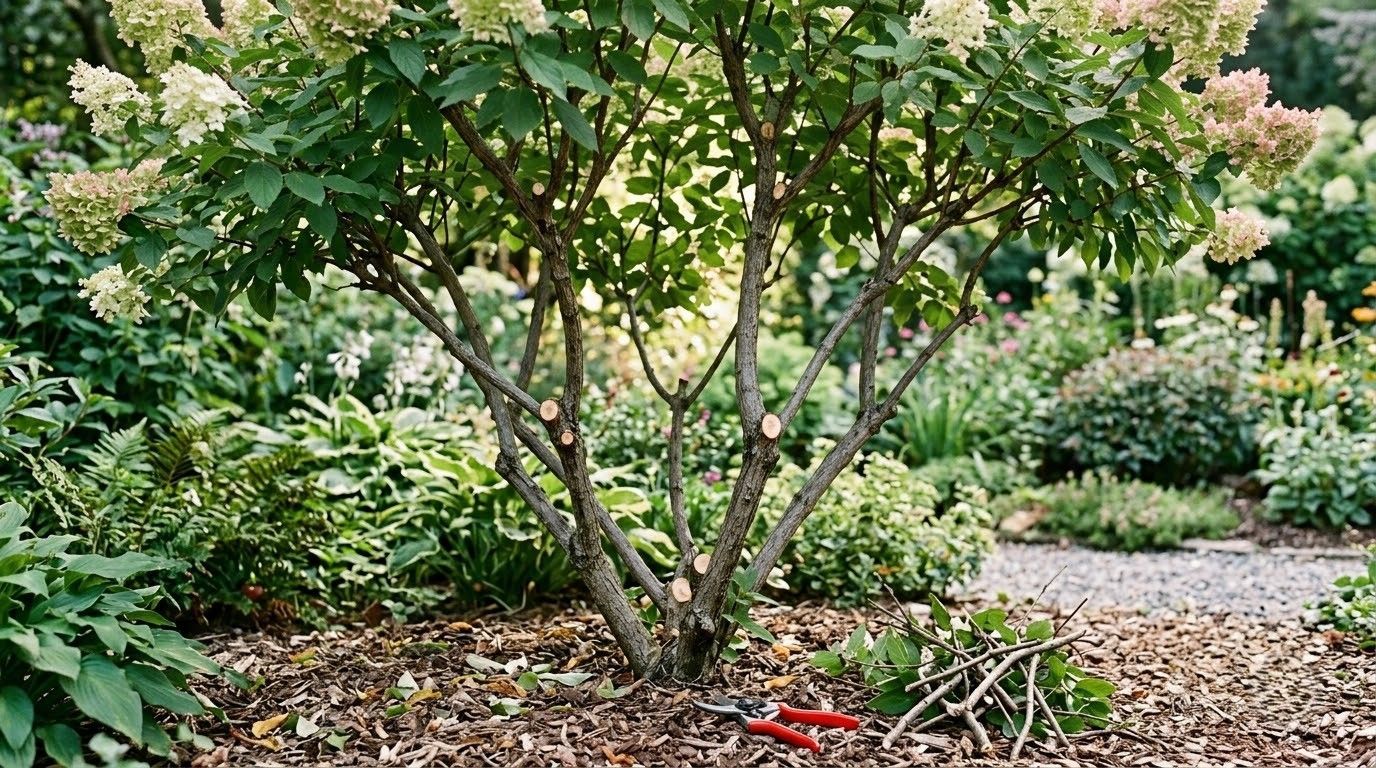
Structural Thinning
Crowded shrubs and multi-stem trees get selected branches removed entirely rather than shortened. Thinning lets light reach the interior, reduces wind resistance and snow loading, and keeps the natural outline while the plant fills in evenly from the inside out.
REDUCTION
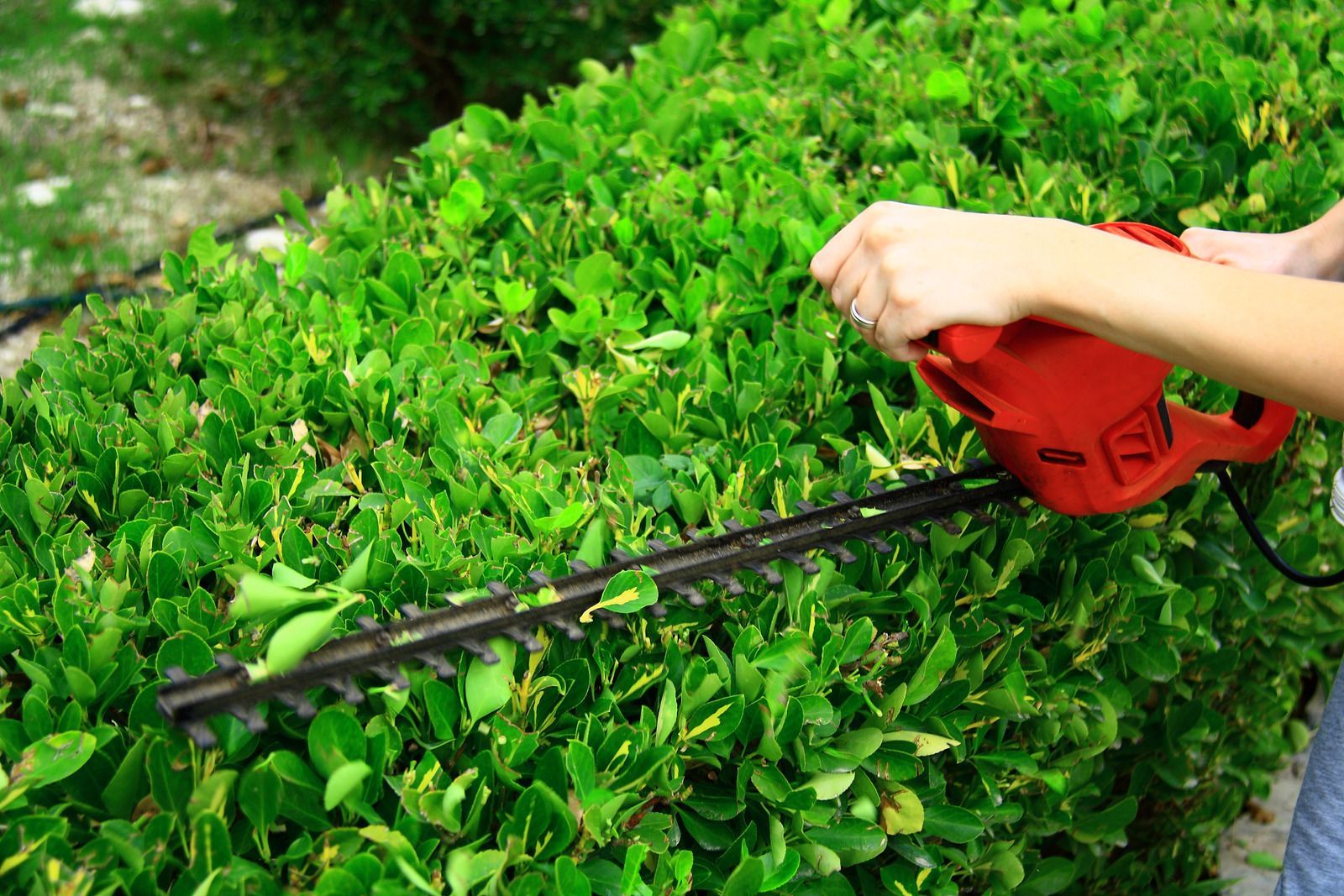
Size Reduction Pruning
A shrub blocking a window or a tree crowding the eaves gets reduced by cutting back to a lateral branch that takes over as leader. The reduction stays within the one-third limit and spreads across 2 seasons when needed.
HAUL-AWAY
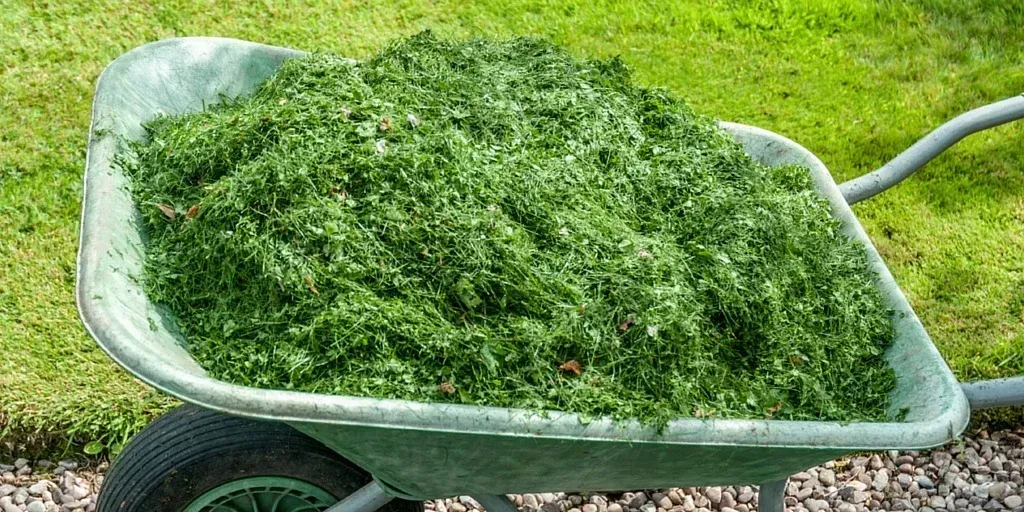
Clipping Haul-Away
Branches, stems, and leaf litter get gathered onto tarps, then loaded and hauled off the property. With Ravalli County burn permits needed March through November, hauling means no smoke, no permit, and no waiting for a burn day.
THE WORD ON OUR WORK
WHAT OUR CLIENTS SAY.
Our Google Business Profile is where homeowners and property managers across the Bitterroot Valley describe how the work went, from the first walk-through to the last clipping hauled off. Read what people say about the shape the shrubs came back in the following spring, then decide for yourself.
Common Questions
FREQUENTLY ASKED QUESTIONS.
Pruning raises more questions than most yard work, because a wrong cut cannot be undone. These answers cover the timing, limits, and techniques homeowners around the valley ask us about most often.
What month is best to prune shrubs?
Late winter to early spring, roughly late February through March here, suits most shrubs and small trees because the plant is dormant and its structure is easy to read without leaves. Spring-flowering shrubs are the exception and wait until the blooms are finished.
When should lilacs be pruned?
Lilacs set next year's flower buds on this year's wood, so the window is the 2 to 3 weeks after the blooms fade, usually June in the valley. Cutting in winter or fall removes the buds and leaves a bare, flowerless spring.
Can you prune shrubs in the fall?
Fall cuts are a bad idea in this climate. Pruning triggers new growth, and shoots that push in September or October cannot harden before zone 5b cold arrives, so the tips winter-kill. Dead or broken branches are worth removing anytime.
How much of a shrub can you cut back at one time?
No more than one-third of the living growth in a single season. Taking more shocks the roots, forces weak sucker growth, and can kill an older shrub. Severely overgrown plants get brought down in stages over 2 seasons instead of at once.
What happens if you prune at the wrong time?
Timing mistakes cost flowers or plant health. 406 Lawnzz sees both across Stevensville, MT: lilacs pruned in fall that skip a bloom cycle, and shrubs cut hard in late summer that come out of winter with dieback and a season of recovery.
What is the difference between pruning and trimming?
Trimming shears the outside of a plant to a shape, fine for a formal hedge but leaving a dense outer shell and a hollow interior. Pruning removes specific branches at specific points to improve structure, health, and bloom, and takes more judgment.
Should pruning cuts be sealed?
Skip the wound paint and sealants. Decades of research show sealed cuts trap moisture and slow the natural callus that closes the wound. A correctly placed cut, just outside the branch collar or just above a bud, closes on its own without product.
What makes 406 Lawnzz the right choice for pruning in Stevensville, MT?
Species-based timing, hand tools instead of hedge shears, a firm one-third limit, and clippings hauled off the property are standard. 406 Lawnzz puts each plant and each planned cut in a written bid before work begins on any Stevensville, MT, property.
HOW WE WORK
FROM PLANT WALK TO CLEAN CANOPY, HERE IS HOW.
STEP 01
Walk the property with you
We start with a walk past every shrub and small tree you want addressed, noting the species, its condition, and what you want it to do, whether that is clearing a window, restoring bloom, or just looking cared for again.
STEP 02
Put each plant in a written bid
You receive a bid that lists every plant by name, the pruning planned for it, whether the work spans 1 or 2 seasons, and the visit window. Nothing is cut until you have read it and given the go-ahead.
STEP 03
Schedule around each species
Dormant-season plants are booked for late winter before buds swell. Lilacs and other spring bloomers go on the calendar for the weeks right after flowering. If a plant needs a second visit next year, that date goes in the bid too.
STEP 04
Take dead and crossing wood first
On the day, the first cuts remove anything dead, broken, diseased, or rubbing against another branch. Often that alone opens the plant up considerably, and it tells us how much of the one-third allowance remains for shaping.
STEP 05
Thin and shape by hand
Selected stems come out at the base or back to a lateral, using pruners and loppers sized to the wood. Each cut is placed just above an outward bud so regrowth heads away from the center and the outline stays natural.
STEP 06
Haul the clippings and check back
Every branch goes onto a tarp, into the truck, and off the property, and the beds get raked out. The following season we can return to check regrowth and finish any staged reduction laid out in the original bid.
GET YOUR WRITTEN BID
EVERY SHRUB, EVERY CUT, AND EVERY DATE, IN WRITING.
Send the shrubs and small trees you want pruned through the contact form on our contact page, along with a few photos if you have any, and 406Lawnzz will reply quickly, often within hours, to set up a walk-through at your Stevensville, MT, property. Hamilton, Corvallis, Florence, Lolo, and Victor are on our regular route too. The bid arrives in writing before a single branch is touched, with competitive pricing and no surprises.
WHAT YOUR BID COVERS:
- Each shrub and small tree listed by name
- The specific cuts planned for every plant
- Timing matched to the species
- Whether the work spans 1 or 2 seasons
- Clipping haul-away included
- Licensed and insured work on every visit