Shrub Removal / Bushes
SHRUB REMOVAL / BUSHES IN Stevensville, MT
A shrub trunk over 6 inches, or a hardwood root system under a big lilac, is the line where a bush stops being a weekend job and starts needing a saw, a mattock, and a truck. 406Lawnzz handles shrub and bush removal in Stevensville, MT: we cut the plant to ground level, dig out or grind down the roots so it cannot regrow, fill and level the hole, and haul every branch away, with a written bid before we start.
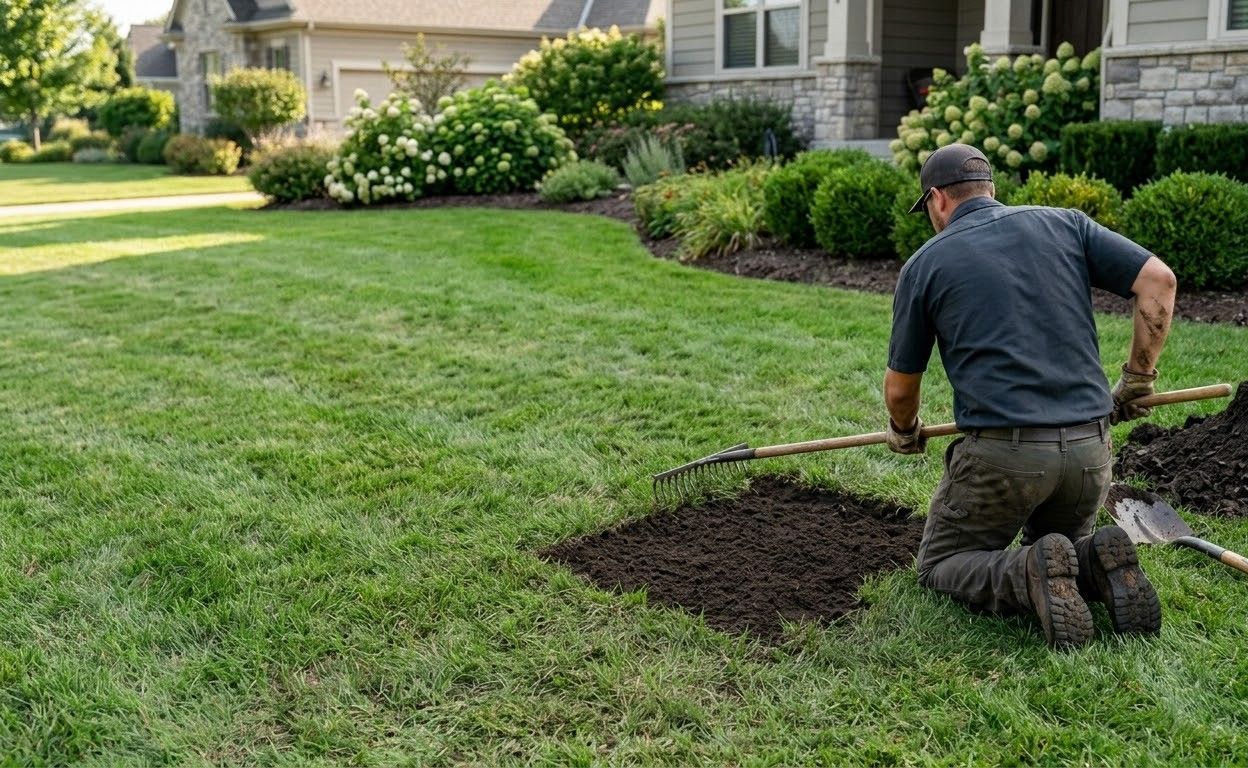
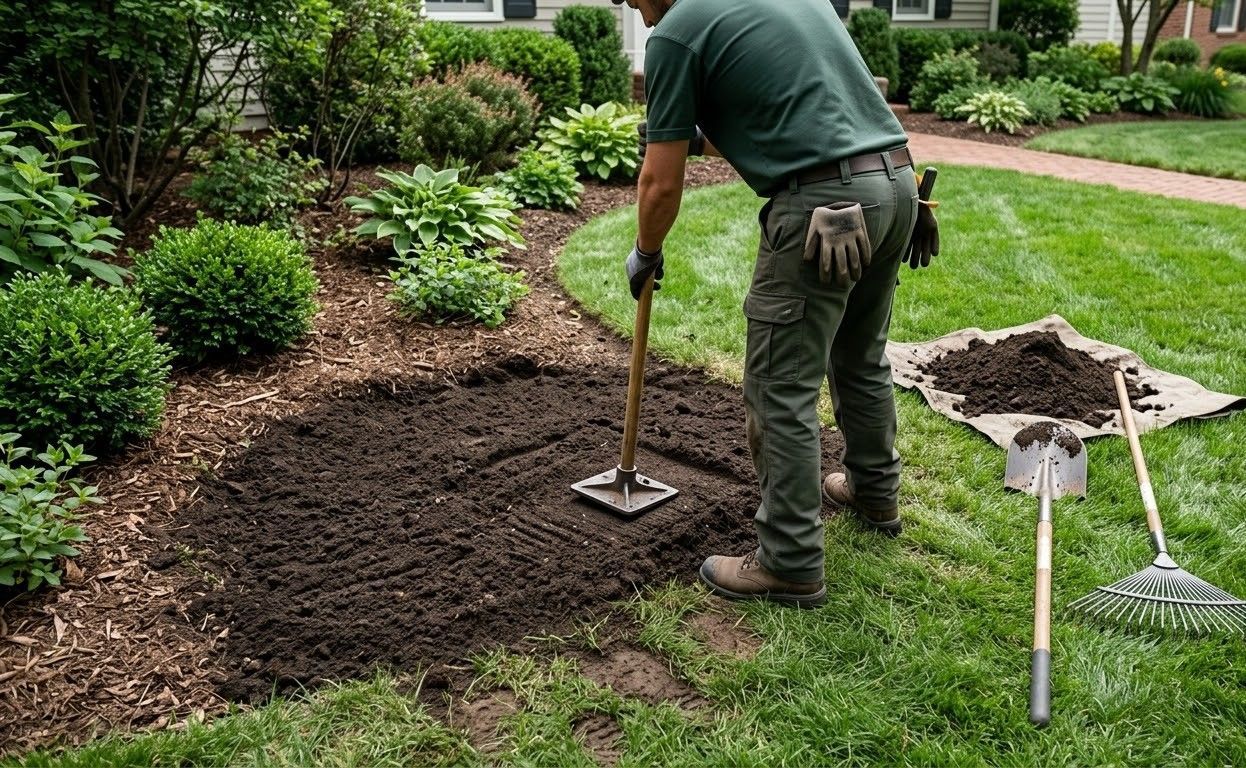
CUT IT TO THE GROUND AND A LILAC COMES RIGHT BACK. THE ROOTS HAVE TO GO.
Lilac, juniper, spirea, and the other shrubs planted around valley homes decades ago were chosen for surviving anything, and that is exactly the problem once one outgrows its spot. Cut it flush and the crown pushes new shoots by midsummer. The only removal that lasts takes the root system with it, and that is the part most people underestimate.
We cut, we dig or grind, we fill, we level, and we haul, working on tarps and along a planned path so the lawn on either side looks the way it did when we arrived.
- Cut to ground level
- Roots dug out or ground down
- Hole filled and leveled
- Every branch hauled away
SHRUB REMOVAL / BUSHES
STEVENSVILLE YARDS OPEN UP FAST ONCE THE OVERGROWN JUNIPER IS GONE.
Older Stevensville lots tend to carry the same foundation plantings: junipers gone woody along the front walk, a lilac that has swallowed a corner of the yard, spirea crowding the bed by the porch. Taking those out opens sight lines to the house, gives the lawn back a strip of sun, and leaves a bed ready for something that fits. Most properties take 1 to 3 hours, first cut to last rake.
HAULED AWAY MEANS NO BURN PERMIT, NO SMOKE, AND NO WAITING ON A BURN DAY.
Ravalli County burn permits run March 1 through November 30 and have to be activated on each day you burn; from December through February the DEQ takes over. A pile of juniper brush in a Stevensville side yard is a permit, a weather window, and an afternoon of smoke for the neighbors. Everything we cut goes on the truck instead, and the yard is clear before we leave.
NOTHING UNDER A LILAC SURPRISES US ANYMORE.
We have spent 8 years pulling shrubs out of yards from Stevensville to Hamilton, Corvallis, Florence, Lolo, and Victor, and the root ball under an old lilac is nearly always wider than the plant above it. We expect roots that run under the walk, a crown the size of a truck tire, and, more than once, a sprinkler line nobody remembered. Have a shrub you have already tried to kill twice?
WHY CHOOSE US FOR SHRUB REMOVAL / BUSHES.
ROOTS OUT, NOT JUST STEMS
Cutting a shrub flush with the ground is where most removals stop, and where most regrowth starts. We dig out the root ball or grind the crown below grade so the plant has nothing left to push shoots from.
THE HOLE DOES NOT STAY A HOLE
Pulling a root ball leaves a crater, and a crater left alone becomes a low spot that collects water and twists ankles. Every hole gets backfilled, tamped, and leveled flush with the surrounding ground before we load the truck.
YOUR LAWN STAYS A LAWN
Tarps go down before the first cut, and cut material travels along one planned path to the truck, not across the yard. The turf beside the shrub shows a bare ring where it stood, not ruts and drag marks.
NO BURN PILE, NO PERMIT
Brush that leaves on our truck never needs a county burn permit, a calm morning, or a neighbor willing to put up with the smoke. The branches, the root ball, and the rakings are gone the day we finish.
WIDE TRUNKS PRICED BEFORE WE START
A trunk wider than 6 inches or a hardwood root mass under a mature juniper takes more time and heavier tools, and your written bid says so up front. Large tree stumps and regrading are outside this service.
DONE IN A SINGLE VISIT
Most jobs run 1 to 3 hours start to finish, so the yard is usable the same afternoon. Bigger hedge rows and heavy root systems get a realistic timeline in the bid, not a surprise on the day.
WHAT WE CLEAR
OUR SHRUB REMOVAL / BUSHES WORK
Shrub and bush removal from us is one job done in the right order: cut, uproot, fill, level, and haul, with the turf and beds around the plant protected from the first step to the last.
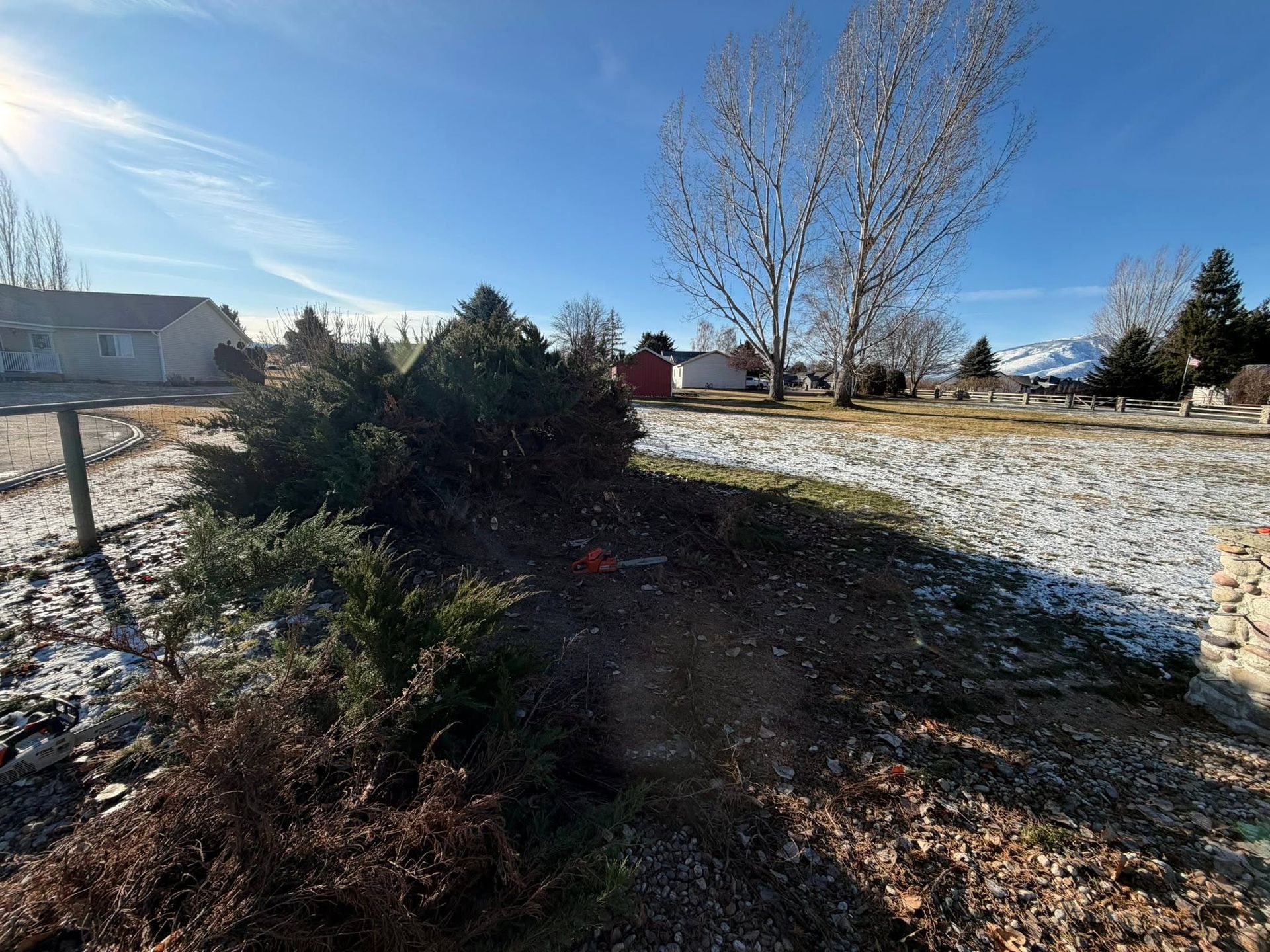
GROUND LEVEL
Overgrown Shrub Removal
Lilac, juniper, spirea, and similar shrubs that have outgrown a bed, blocked a window, or buried a walkway get cut back in controlled sections, then taken to ground level. Woody trunks over 6 inches get a saw and extra time.
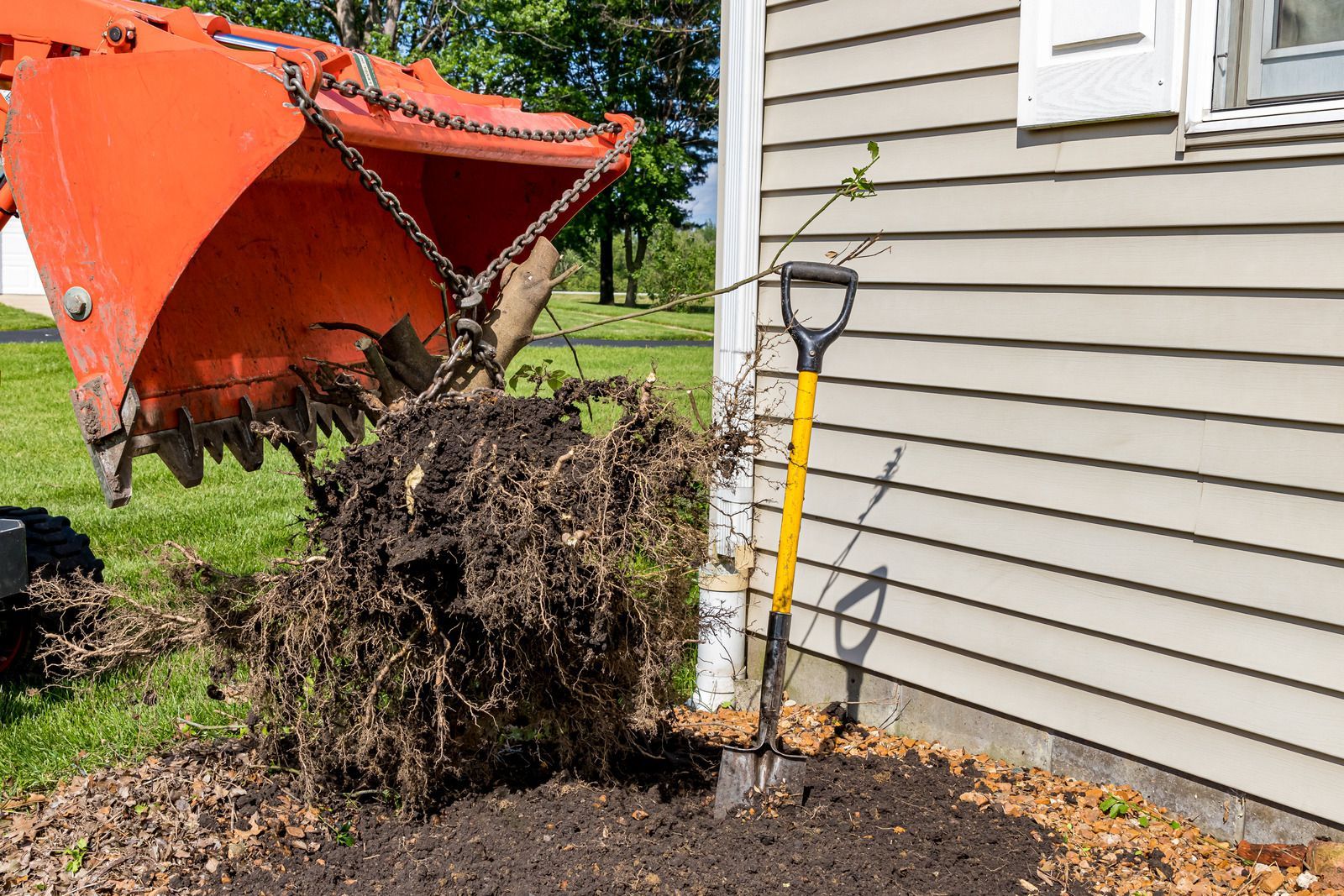
ROOT WORK
Root System Removal
Once the top is gone, we dig out the root ball with a mattock and spade, or grind the crown below grade where digging would tear up the lawn. Either way, the plant has nothing left to resprout from.
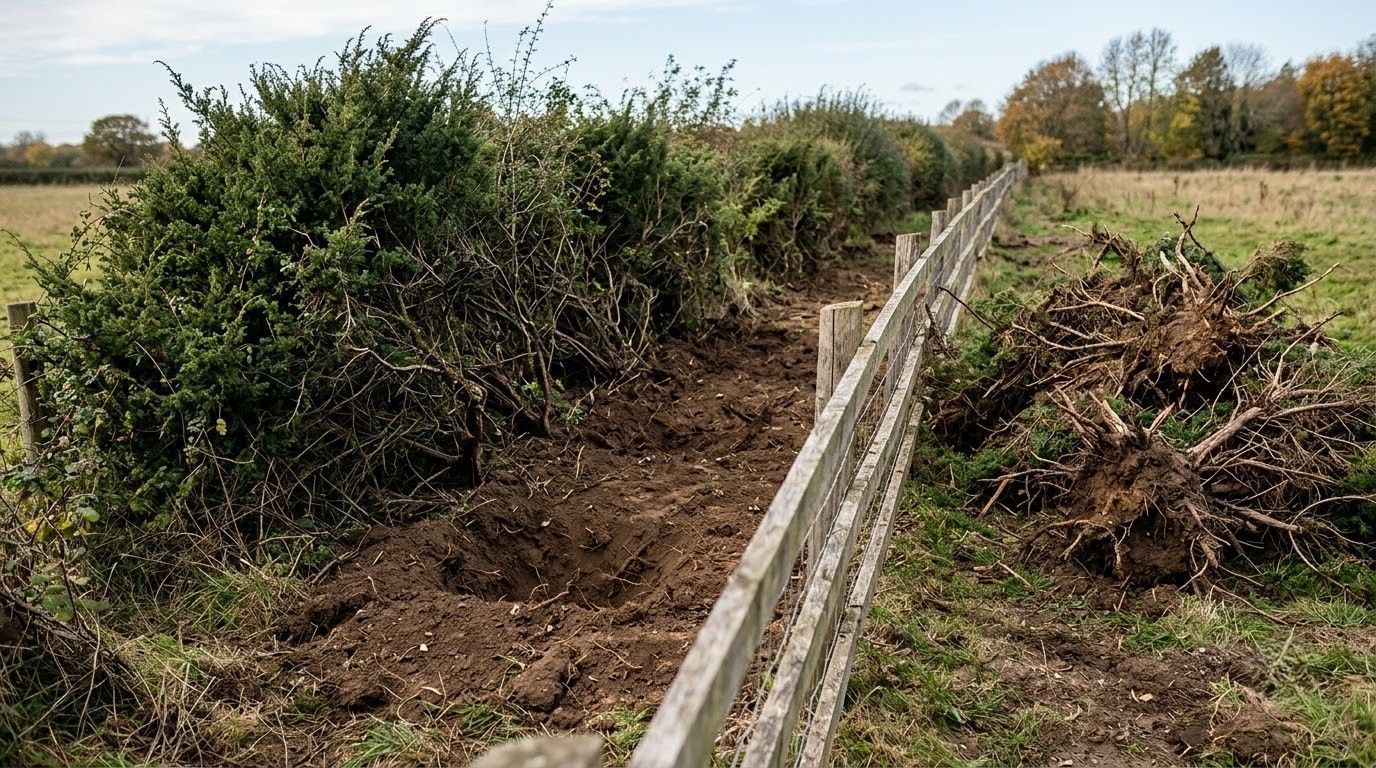
FULL ROWS
Hedge Row Clearing
A line of leggy juniper or spirea along a fence or property edge comes out plant by plant, roots included, so the run is clear at once. Long rows get a timeline in the bid before the first cut.
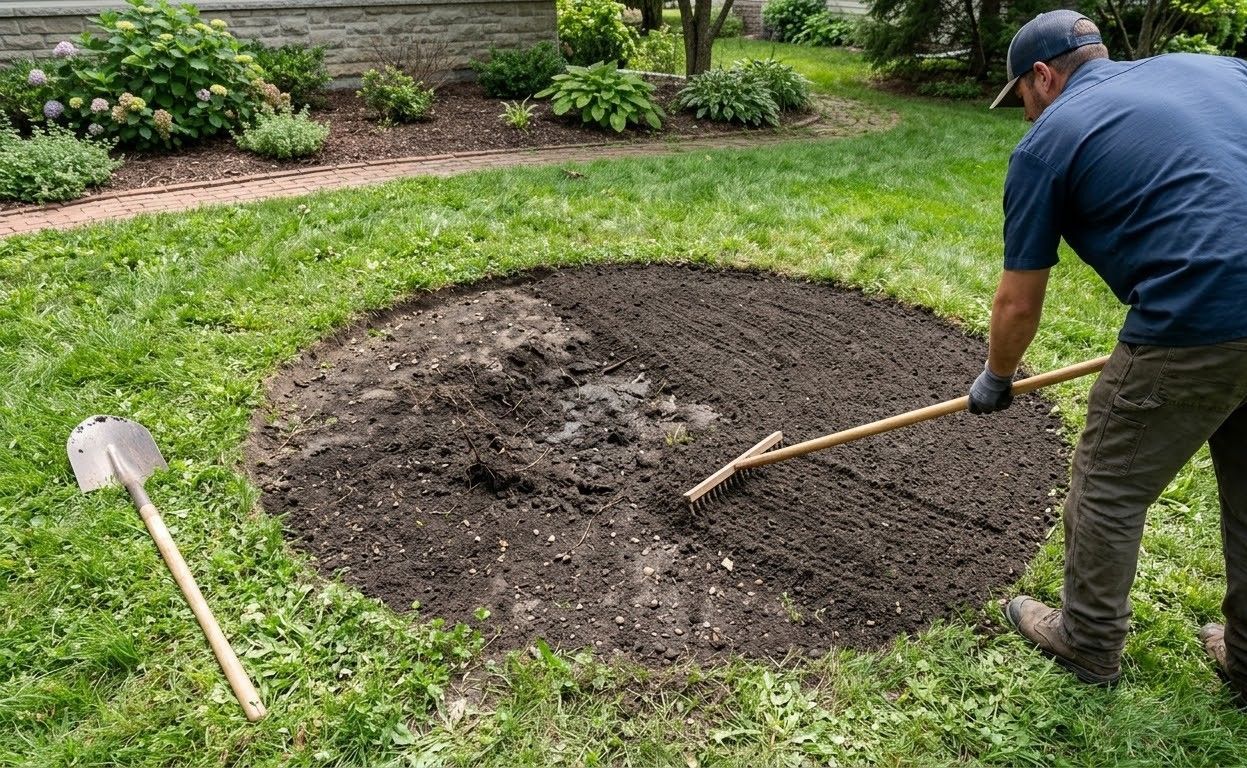
LEVEL GROUND
Hole Filling and Leveling
Backfill goes in with the hole's own soil, tamped in layers so it does not settle into a dip after the first rain, then raked level with the ground around it. Regrading is a separate job.

TARPED PATHS
Turf and Bed Protection
Sawdust, leaves, and loose soil land on tarps, and one controlled path carries everything to the truck. Neighboring perennials and lawn stay untouched, so the only sign of the work is the space where the shrub stood.
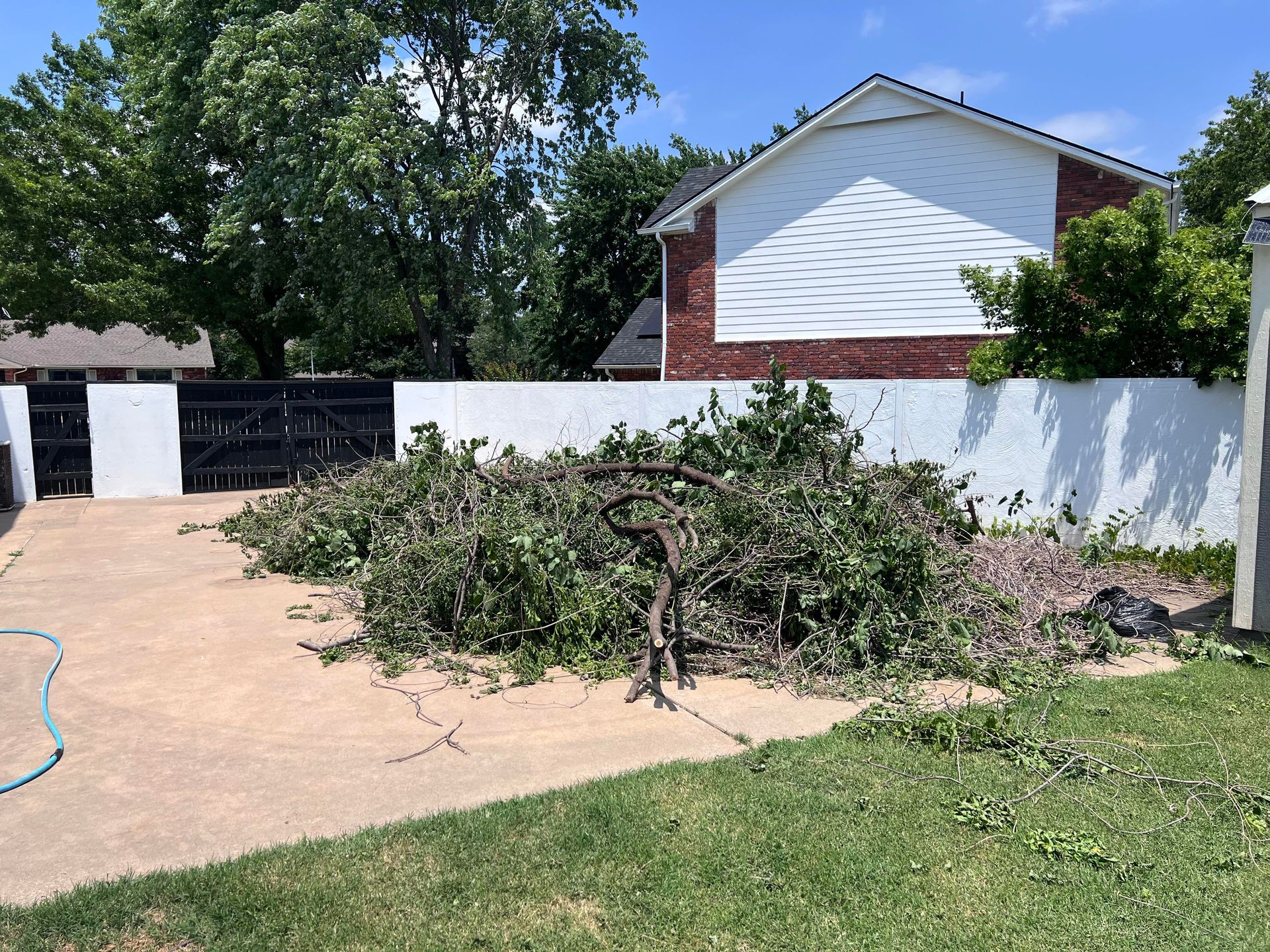
GONE TODAY
Debris Haul-Away
Branches, trunks, root balls, and rakings go on the truck the same day, with no brush pile waiting on a county burn permit and no smoke for the neighbors. The bed gets raked before we leave.
THE WORD ON OUR WORK
WHAT OUR CLIENTS SAY.
Property owners who have had us take out a hedge row or a runaway lilac have written about it on our Google Business Profile, and the notes tend to mention a few things: the hole was gone, the lawn was untouched, and the brush left with us.
Common Questions
FREQUENTLY ASKED QUESTIONS.
Answers to the questions we hear most before a shrub comes out, from whether a lilac stump will resprout to what the ground looks like once the root ball is gone.
Can shrubs grow back after being cut down?
Yes, and lilac, spirea, and most hedge shrubs do it fast. Cutting to the ground leaves a live crown and root system that sends up shoots within a season. Removal only lasts when the crown is dug out or ground below grade.
How do you remove shrub roots?
Cut the plant to a stub, dig a trench around the root ball, sever the lateral roots with a mattock or saw, then lever the ball out. Where digging would wreck the lawn, grinding the crown a few inches below grade works.
What is the best time of year to remove shrubs?
Any time the ground is not frozen. Around Stevensville, MT, that runs from the April thaw until the soil locks up in late fall, and 406 Lawnzz favors spring or fall when cooler weather makes digging easier and the lawn recovers faster.
Will removing a shrub damage the lawn around it?
Not when the work is planned. Tarps catch the sawdust and soil, cut material moves along one path to the truck, and the hole is filled and leveled before we leave. Expect a bare ring where the shrub stood, nothing more.
How long does it take to remove overgrown bushes?
Single shrubs usually take 1 to 3 hours from first cut to filled hole. A trunk wider than 6 inches, a heavy hardwood root mass, or a long hedge row adds time and more equipment, and the written bid spells that out.
What can you plant after removing a shrub?
Whatever fits the space and the climate. Low-maintenance, cold-hardy choices like potentilla, yarrow, and native grasses handle zone 5b winters and 12 inches of rain without much help. Let the filled hole settle through a rain or two before planting.
Why do old shrubs crowd out other plants?
Because a shrub that has had decades to spread wins every contest for light, water, and root space. Lilacs sucker outward, junipers shade everything beneath, and neither leaves much for perennials nearby. Taking the shrub out returns that sun and soil.
What makes 406 Lawnzz the right choice for shrub and bush removal in Stevensville, MT?
You get a written bid before the first cut, roots removed and not just stems, a filled and leveled hole, a protected lawn, and a truck that hauls everything. 406 Lawnzz has done this across Stevensville, MT, for 8 years, licensed and insured.
HOW WE WORK
FROM OVERGROWN TO OPEN GROUND, HERE IS HOW.
STEP 01
Walk the yard and size up each plant
We look at every shrub on the list in person: trunk width, how far the roots likely run, what sits nearby that needs protecting, and whether anything is over the 6-inch mark that calls for bigger tools and more time.
STEP 02
Put scope, timing, and price in writing
Your written bid lists each plant coming out, whether the roots get dug or ground, how the hole is finished, the day we plan to arrive, and the cost, so there is nothing to negotiate once the saw is running.
STEP 03
Cut the shrub down to ground level
With tarps down, the shrub comes apart in sections along a cutting path we have already walked, top growth first, then the main stems, until only a short stub is left at grade to work the roots from.
STEP 04
Dig out or grind down the root system
Around the stub we trench, cut the lateral roots, and lever the ball free, or run a grinder to take the crown below grade where digging would cost too much turf. Either way, no live crown stays behind.
STEP 05
Fill, tamp, and level the hole
The soil that came out goes back in layers, tamped as it goes so the spot does not sink over the summer, then raked flush with the surrounding grade. A rain or two settles it, and the bare ring fills in.
STEP 06
Load the truck and rake the lawn
Everything cut goes on the truck, the tarps come up, and the lawn and beds get a final rake and blow-off. You are left with open ground ready for grass seed, a new planting, or nothing at all.
GET YOUR WRITTEN BID
THE SHRUBS COMING OUT, THE HOLES FILLED, AND THE PRICE, IN WRITING.
Tell us through our contact page which shrubs need to go: the address in Stevensville, MT, or a nearby town, roughly how many plants, and whether any trunk looks wider than 6 inches. 406Lawnzz will reply, often within hours, to set a walk-through, then send a written bid that covers each plant, the root work, the hole, the haul-away, and competitive pricing before a single branch is cut.
WHAT YOUR BID COVERS:
- Each shrub or hedge row coming out
- Roots dug out or ground below grade
- Hole backfilled, tamped, and leveled
- Tarps and a protected path for turf
- Every branch and root ball hauled away
- Timeline and price for the whole job